
Pranayama
Calm, structured and ancient. Pranayama comes from yoga and uses set breathing patterns to balance mind and body. Your nervous system settles, your energy returns and your head clears: ideal for busy days.
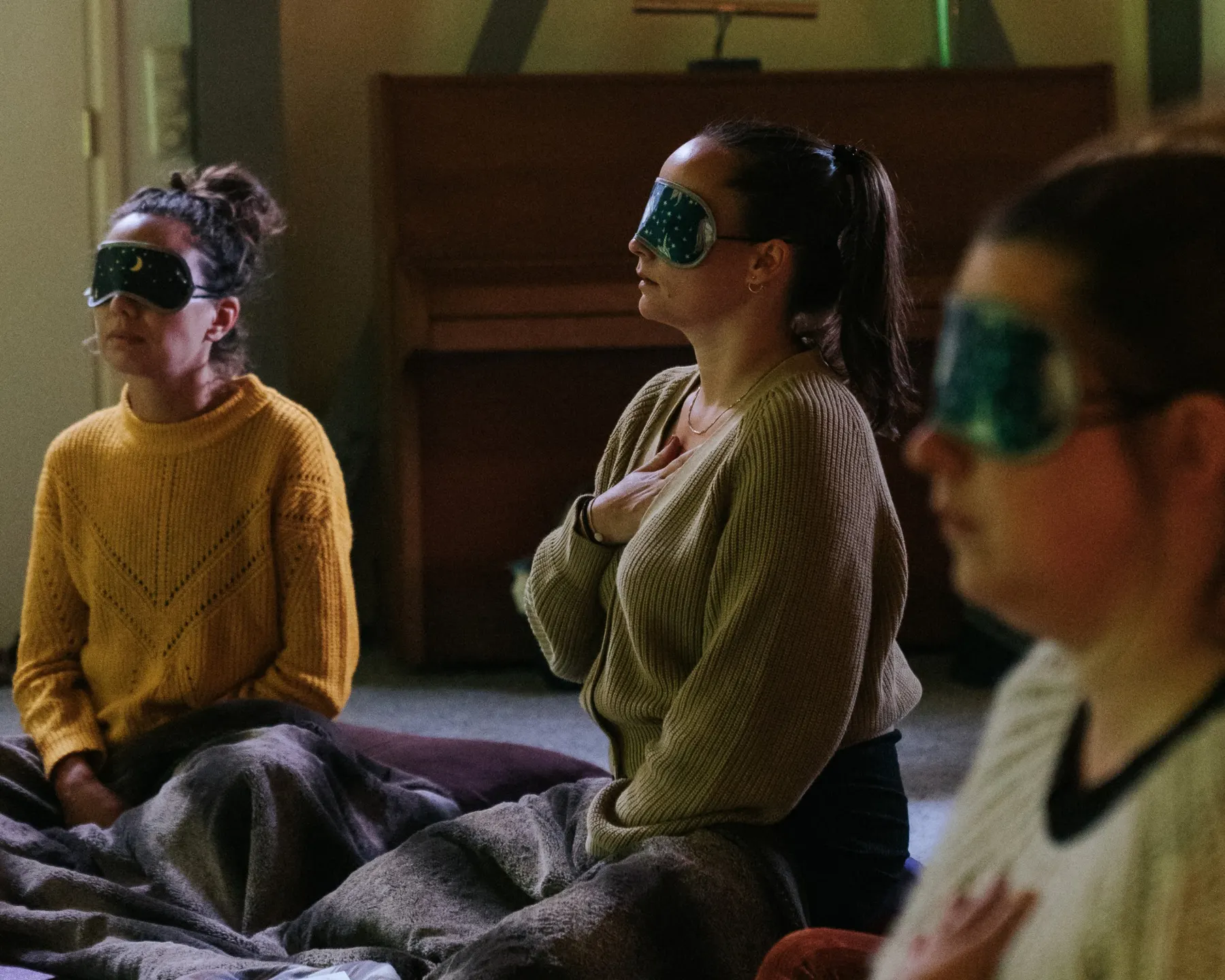
It’s 23:40. Your body is done, but your head is still doing laps: your inbox, that one conversation. Your jaw is tight, your breath sits somewhere high in your chest. That’s not a character flaw. It’s a nervous system still switched ‘on’.
The best part: it’s free, it’s always with you, and you don’t need any skill to start.
Your breath is the only automatic system in your body that you can also steer on purpose. Breathe slower and deeper, and your nervous system gets the message that it’s safe to come down. Your shoulders follow on their own.
I know what shallow breathing feels like. As a teenager I held my belly in all day, and when a friend said ‘you’re always breathing so heavily’, I tried to breathe even more quietly. Only when I found breath therapy did things start to move. These days I don’t get out of breath so fast, and I even enjoy sports (who knew).
Then I went and learned the craft: Conscious Connected Breathwork and coaching with Annette Weers, Breathwork Advanced, and Pranayama Kriya Ekadashi in Guatemala. Those are the two methods I work with: pranayama and conscious connected breathwork.
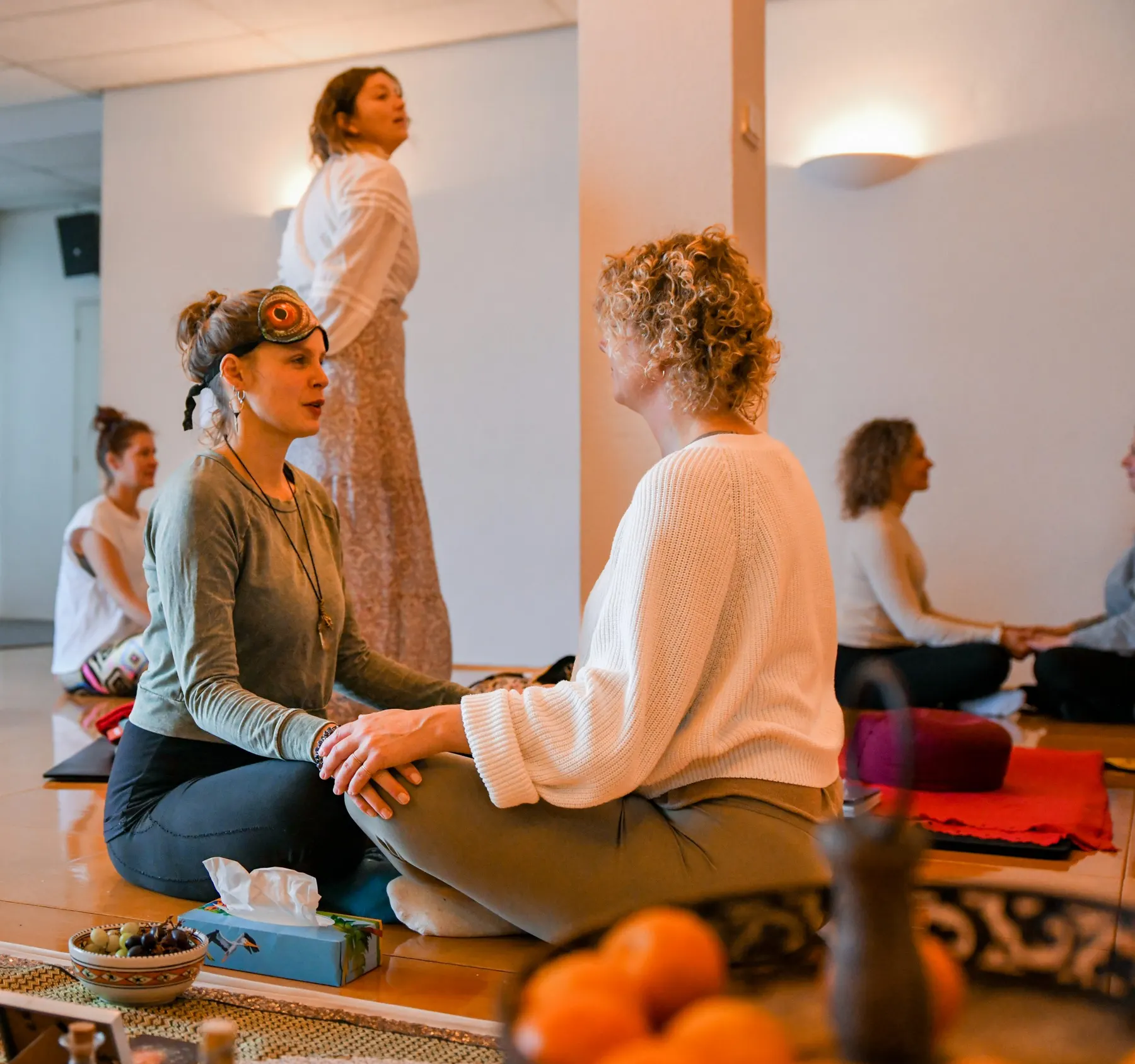
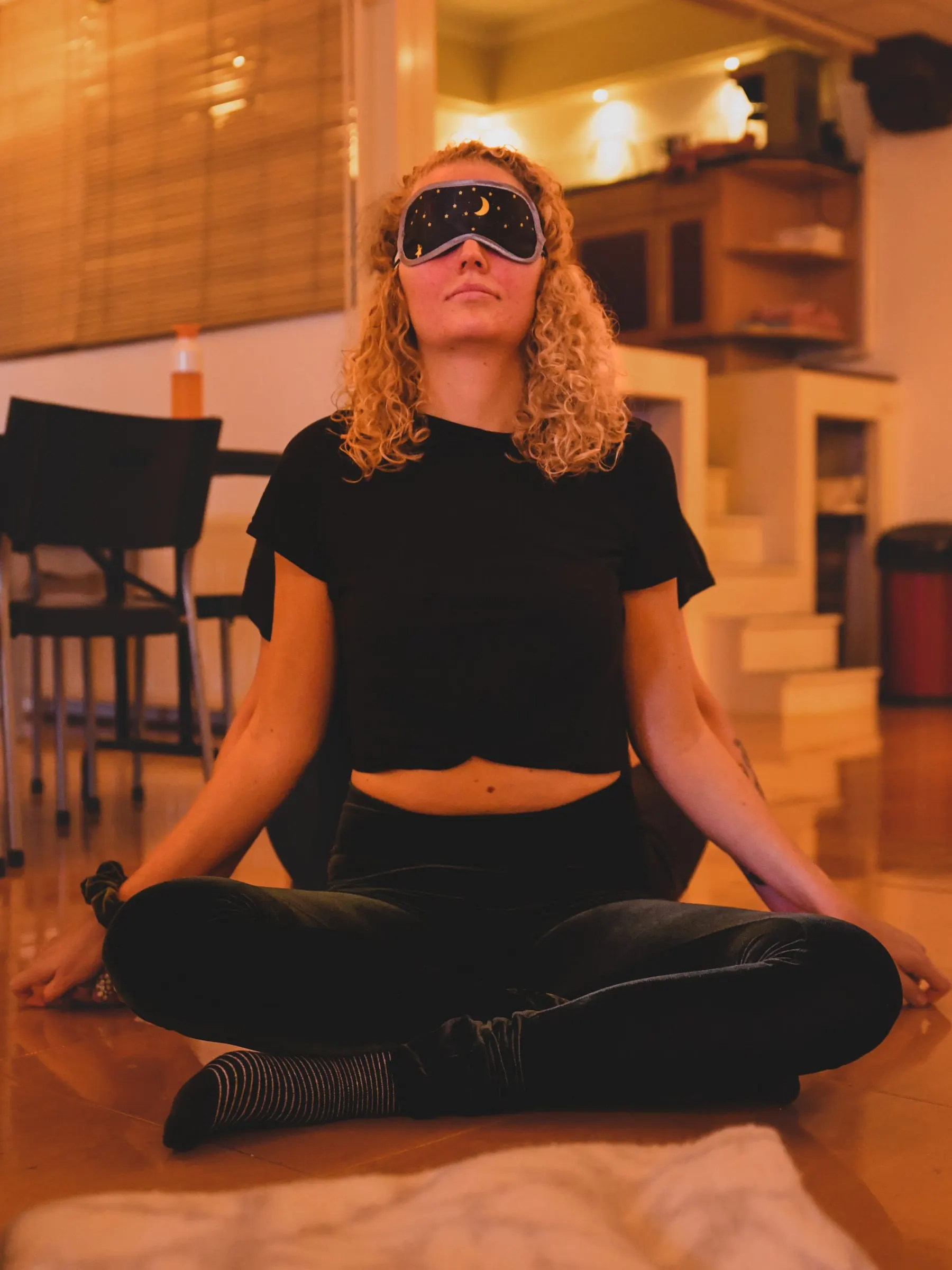
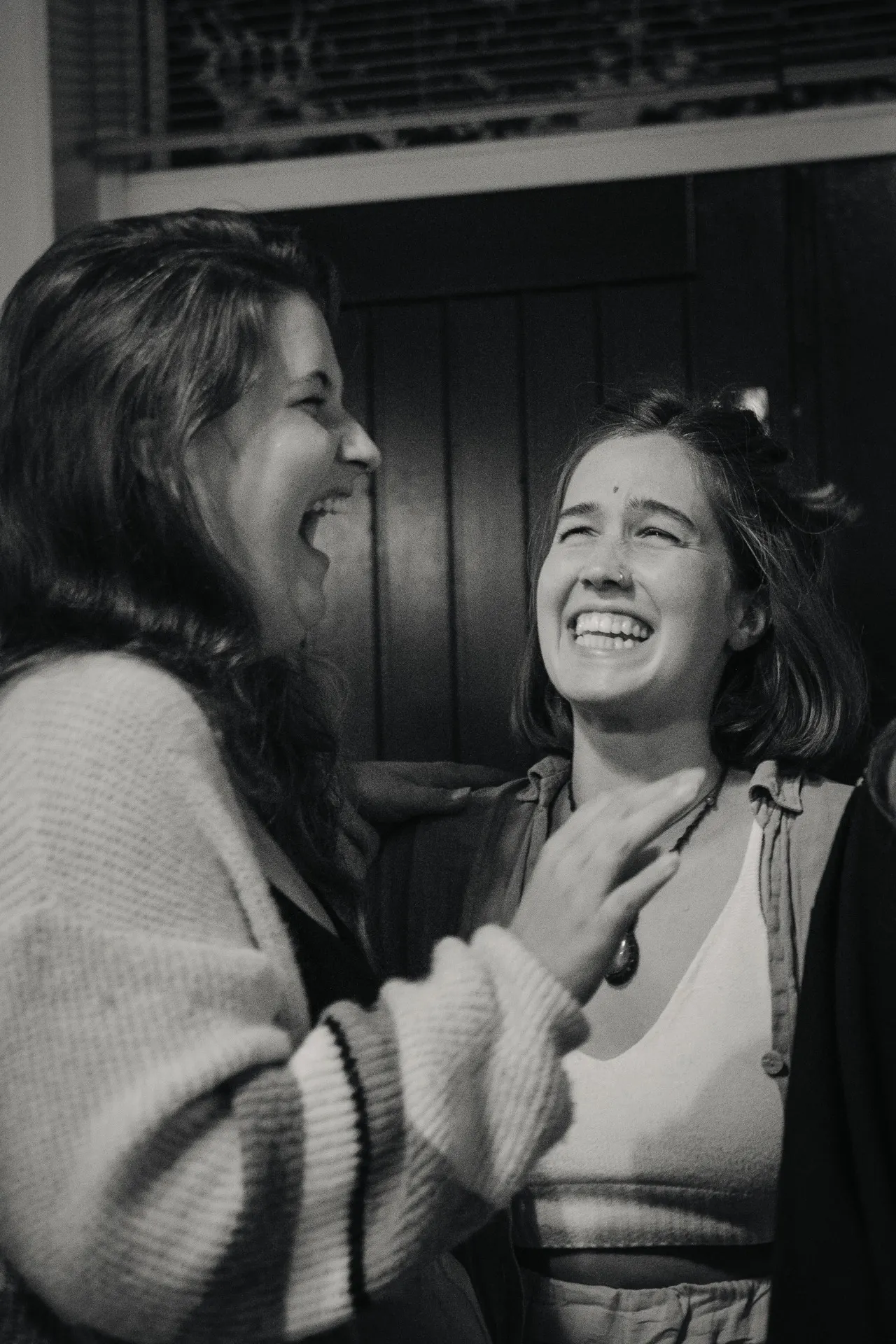

You lie awake at night while your head writes lists. During the day it sits in your neck, your jaw, behind your eyes. A calmer breath settles your nervous system and gives you ground under your feet again. Not a bandaid; a reset you learn to do yourself.
Drained by midday, no matter how much coffee. Your barista knows your name. Breathwork brings more oxygen and circulation into your body, and can help you feel alive again instead of running on autopilot.
You’ve talked about it, you understand where it comes from, and still your body acts as if it’s happening now. Breath goes around the thinking mind and gives what’s stuck room to move. Layer by layer, at your pace.
Chronic pain, an unsettled gut, complaints you’ve already tried everything for. Breathwork doesn’t replace a doctor. What it does: bring relaxation and reduce stress, and your whole body notices.
Calm, structured and ancient. Pranayama comes from yoga and uses set breathing patterns to balance mind and body. Your nervous system settles, your energy returns and your head clears: ideal for busy days.
This is where it gets more tangible. You lie on a mat and breathe in and out through your mouth, connected and without pause, for 30 to 60 minutes. I guide your breath and your pace. That active breath slips past the thinking mind and reaches layers talking can’t: stuck emotions, stress that has lived in your body for years.
Some doors only open from the inside. Breath is a way of accessing that door.
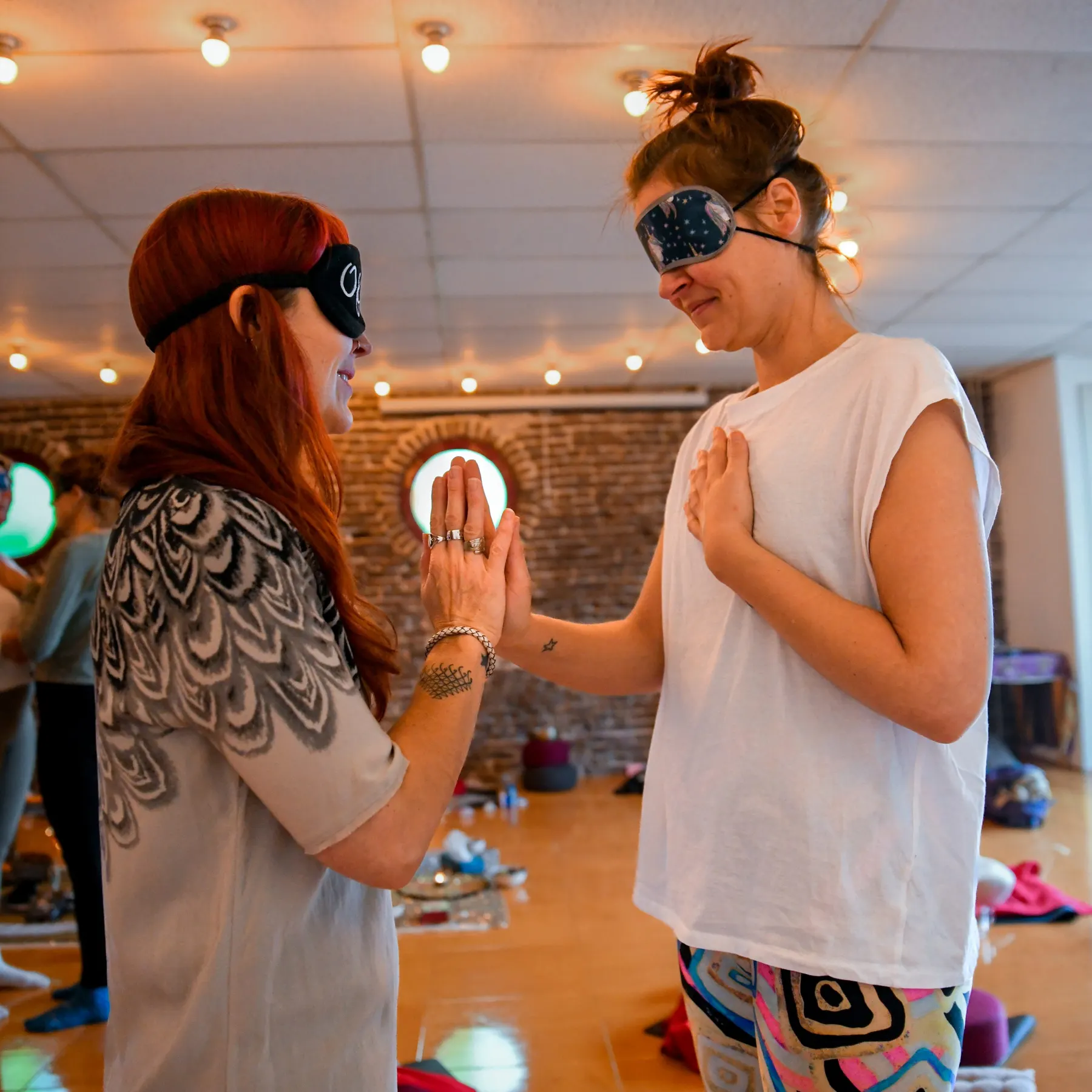
Everything we have ever experienced is still held within our cellular memory on a primarily subconscious level. Breath is a way to access these deeper realms and bring what has previously been hidden or forgotten up to the surface.
Six sessions on self compassion, boundaries and emotional healing. Live on Wednesday evenings in Amsterdam or online on Thursday mornings, 23 September through 29 October 2026. It’s already running, but each session stands alone: join at any theme that speaks to you.
Pick your theme and date
In Amsterdam or online, 90 minutes, fully tuned to you. Good if you want to work on something specific, or if a group feels like a lot right now. Single sessions, or part of a structured arc: see Deepdives.
Book your free discovery callPrivate one on one: 90 minutes. Compassionate Breathwork sessions: 2.5 to 3 hours including warming up, breath, and integration.
I take safety seriously, especially with conscious connected breathwork. Please do not book if you are pregnant; have unmanaged high blood pressure, cardiovascular conditions, glaucoma, or recent surgery; have severe asthma or respiratory disease; have a history of seizures, panic disorder, or psychosis. When in doubt, talk to your doctor first and tell me anything relevant before we begin.
Join a Compassionate Breathwork session, or book your free discovery call to see first if it clicks. Twenty minutes, no payment, no pressure. And if breathwork isn’t right for you, I’ll tell you honestly.